

How To Promote Support Services For Older Adults
A quick guide for registered managers of care homes
Mental wellbeing is near life satisfaction, optimism, self-esteem, feeling in control, having a purpose and a sense of belonging and support.
Older people, including those living in care homes, frequently experience depression, loneliness and low levels of satisfaction and wellbeing.
Taking role in meaningful activities, maintaining and developing personal identity, and getting the correct aid for any wellness conditions and sensory impairments have been identified equally key to improving mental wellbeing.
Personal identity
It is essential to a person'due south wellbeing and dignity that they are seen equally an individual with experiences, aspirations and opinions. Each person should feel valued and exist offered opportunities and support to express themselves. They should be able to keep to develop a sense of who they are and what they want.
Care staff can help by working in partnership with the person to:
- Find out what is important from their personal history, interests and beliefs and tailor the support and opportunities offered accordingly.
- Brand sure they accept the chance to choose their own clothes and where to sit when eating, and to have their nigh valued possessions effectually them.
- Provide any support needed to make choices and decisions.
- Assist the person maintain existing relationships and to develop new ones.
Meaningful activity
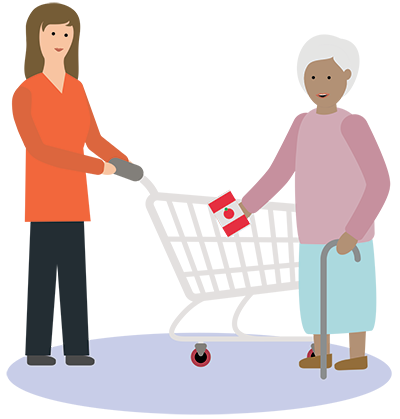
Always giving people a choice of activities that motivate them, and that offer the take a chance to larn new skills and increase independence can help people to stay well and feel satisfied with life.
Intendance staff should enable people to consider:
- Physical, social and leisure activities, including activities of daily living.
- Both structured and spontaneous activities, individually or in groups, and involving family and friends.
- Making links with the wider community and trying relevant activities or groups.
- Emotional, creative, intellectual and spiritual stimulation.
- Positive risk taking, including going outdoors or adapting the indoor environment, to attain their goals.
- Getting involved in delivering staff training, and developing information, policies and procedures.
Be enlightened of any individual needs as a result of a learning inability, cognitive impairment, communication and language difficulties, and cultural differences.
Enquire people how they feel most the opportunities offered to them. If they find it difficult to give feedback, call up about using staff observation or gathering views from family members, friends or advocates.
I have intendance and back up that enables me to live as I want to, seeing me as a unique person with skills, strengths and personal goals.
Health and mental wellbeing
To assistance people maintain and better their wellbeing, care staff should exist trained and supported to:
- Be enlightened of whatsoever mental health atmospheric condition, sensory impairments or physical bug that a person already has.
- Look for any changes in how the person commonly is, and whatever signs or symptoms of new conditions.
- Tape observations in the person'due south care plan.
- Share information and concerns with healthcare professionals, including the person's GP.
- Know when and how to brand a referral to the relevant healthcare services.
Sensory impairment
Loss of sight and hearing tin be very disabling, but these are frequently seen every bit an expected part of ageing and may go unnoticed. These impairments tin significantly affect a person'south advice, confidence and independence, so information technology is essential to provide back up to avert the person becoming isolated. Brand sure that intendance staff:
- Have an awareness of the different types of sight and hearing loss and how they affect people.
- Help people continue their glasses clean and modify their hearing assistance batteries.
- Arrange regular sight and hearing checks.

Mental health conditions
Having practiced mental health enables people to experience that life is enjoyable and fulfilling. Older people in care homes may have ane or more than mental health weather, including low and feet, only they are frequently not recognised, diagnosed or treated. Be warning to the possibility that people may develop these conditions and ensure intendance staff have the training and support to recognise signs and symptoms. Consider asking people directly:
- Have you felt down, depressed or hopeless, or had little involvement or pleasure in doing things?
- How oft in the final 2 weeks have you felt nervous, anxious or on border; or not been able to stop or command worrying?
If a person answers positively to either or both these questions, consider referring them to an appropriate professional for a mental health assessment.

Physical difficulties
Physical weather condition can cause discomfort and bear upon a person'southward ability to undertake daily living tasks, join in with social activities and stay contained. This is likely to bear upon their mental wellbeing. Care staff should look out for physical difficulties such as:
- Articulation, muscular or undiagnosed pain.
- Incontinence.
- Dizziness.
- Constipation.
- Urinary tract infections.
- Difficulty in moving.
- Unsteady walking.

Access to healthcare
Care homes are part of the community and people who live in them have the same right to healthcare as anyone else in the community. To promote people'due south wellbeing and ensure their physical and mental health needs are addressed, care dwelling house managers should:
- Work in partnership with healthcare organisations and professionals.
- Make certain referrals are made when needed.
- Expect ongoing monitoring and review of existing weather condition, likewise equally access to the full range of chief, secondary, specialist and mental health services.
- Consider how both do and intendance home nurses can facilitate joint working and share up-to-date knowledge and skills with other staff, and with people and their families.
This content has been co-produced by Prissy and the Social Care Establish for Excellence (SCIE). It is based on NICE'south guideline on people'due south experience in developed social care services.

How To Promote Support Services For Older Adults,
Source: https://www.nice.org.uk/about/nice-communities/social-care/quick-guides/promoting-positive-mental-wellbeing-for-older-people
Posted by: littlesqualf.blogspot.com
0 Response to "How To Promote Support Services For Older Adults"
Post a Comment